Residents filed a class-action lawsuit against NIPSCO over power outages that have left thousands in Northwest Indiana without electricity for nearly two weeks.
Residents in Northwest Indiana filed a class-action lawsuit against NIPSCO, alleging the utility failed to maintain vegetation around power lines and caused widespread, prolonged outages after an Aug. 11 derecho. As of Friday, more than 40,000 NIPSCO customers remained without power, down from over 400,000 after the storm, with parts of Gary not expected to have electricity restored until Tuesday. The lawsuit seeks damages for affected residents and wants NIPSCO to adopt a proactive tree-trimming program.
A group of Northwest Indiana residents has filed a class-action lawsuit against NIPSCO, accusing the utility of failing to properly trim trees near power lines and causing outages that have now stretched into a second week for tens of thousands of customers.
The suit, filed this week, names several plaintiffs including Porter County resident Jack Tipold, who says he was in the middle of a dental procedure when the power went out on Aug. 11. He never got his imaging done or his implants made.
"They lost total power. They didn't have generators. They couldn't back it up. They sent me home," Tipold said. "I got home to my house. No power. No ice."
The lawsuit alleges NIPSCO failed to maintain vegetation around its power lines, which contributed to the scale and length of the outages after a derecho tore through the region. Attorney Otto J. Shragal, who filed the suit, said utilities across the country know downed trees and vegetation cause most power outages, and that some tree species grow back into lines within five years.
"But instead of trimming trees proactively on a 5-7 year cycle to prevent foreseeable outages, NIPSCO simply reacts. This needs to change," Shragal said in a statement.
The attorneys are seeking damages for residents affected by the outages and want NIPSCO to adopt a vegetation management program going forward. NIPSCO and its parent company, NiSource, did not respond to requests for comment on the lawsuit.
On its website, NIPSCO says it "regularly" trims trees "to ensure your power is both safe and reliable." Earlier in the week, NiSource Executive Vice President Melody Birmingham pointed to storm severity rather than maintenance lapses when explaining the scope of the damage.
"There are vast differences that are system related. The impact that came through, the trees, the infrastructure, the access, that's the difference," Birmingham said.
The Indiana Utility Regulatory Commission lists NIPSCO as charging the highest electric rates of any utility in the state.
The lawsuit was filed as the outage reached its 12th day for some customers. NIPSCO reported nearly 45,000 customers still without power across Northwest Indiana as of Friday morning, down from a peak of more than 400,000 after the Aug. 11 storm. Lake County, where Gary sits, has the largest concentration of remaining outages, and the utility says some areas there won't see power restored until Tuesday.
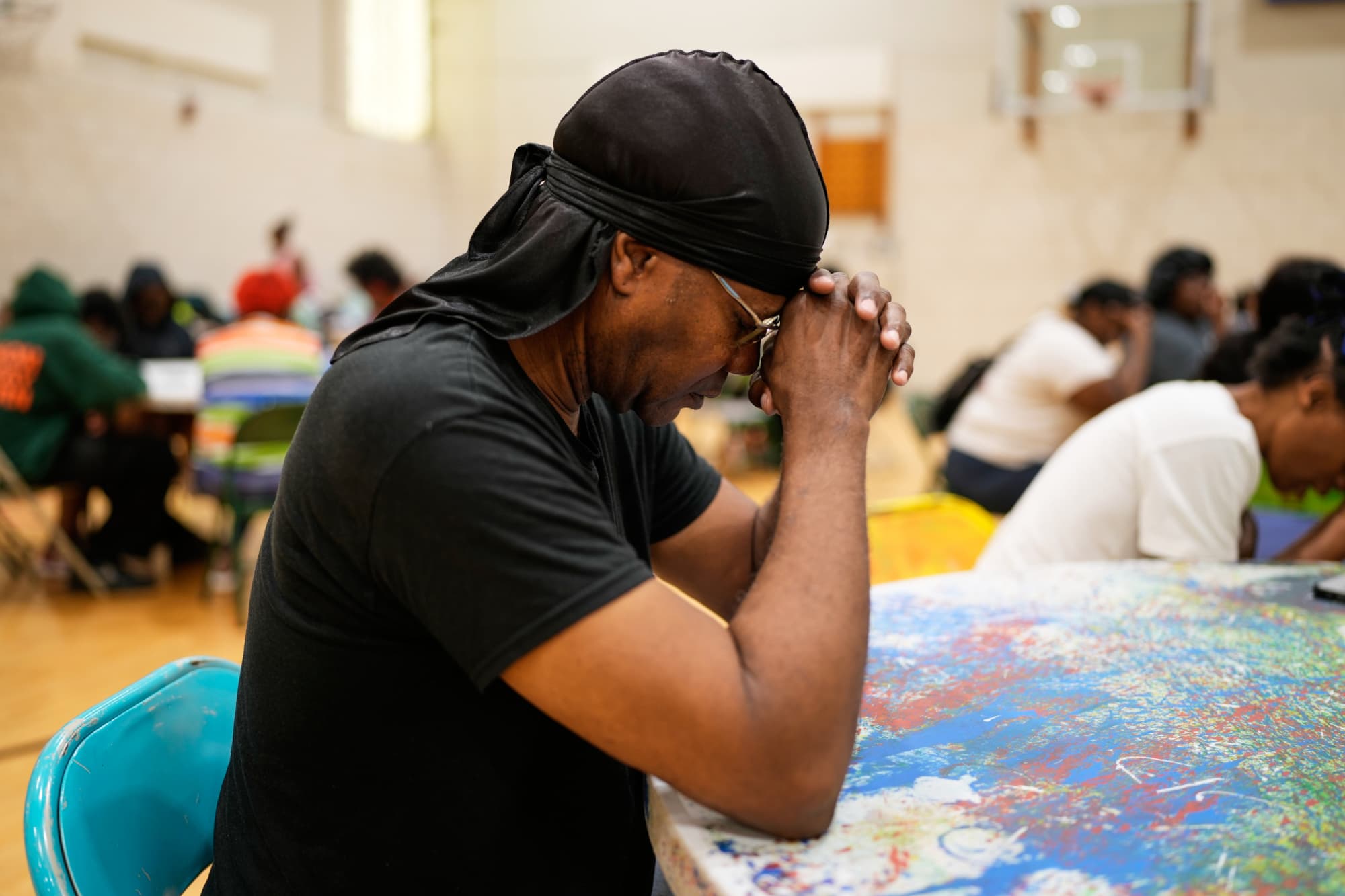
The prolonged blackout has produced problems beyond dark houses. In unincorporated Calumet Township, sewage pumps that rely on electricity failed, sending sewage bubbling up into yards and knocking out toilets and tubs for residents. Gary resident Marjorie Wilson described the smell outside her home as unmistakable. Officials have set up pop-up bathrooms and showers for people who have lost both power and water access.
Grocery stores in Gary have struggled to keep food from spoiling. At Save More Foods, the general manager said there's no meat or fresh food left on the shelves, just basics to get by on, no ice cream or popsicles for kids.
Gary Fire Chief Larry Tillman said crews have made progress but urged NIPSCO to keep moving. "This is gonna be a long road to recovery, for individuals even after power is restored," Tillman said.
Residents describe streets going dark at night, with streetlights still out and cars broken into, and say some families are staying up past 2 a.m. watching for trouble. Gary resident Natasha Clay has been running food and water to her grandmother and neighbors while trying to keep spirits up as neighbors wait for power to come back on their own street.
Hair stylist Shatiya Hardin, who has worked in Gary for 25 years, said her salon has been closed since the storm hit. She said residents initially treated the outage as another hardship to push through, but patience is wearing out as the days pile up.
"We're always in survival mode in Gary," Hardin said. "It's not OK for us to continually be in survival mode, doing the best that we can."
Indiana University Indianapolis professor Courtney Page-Tan, who studies community resilience, said health risks climb the longer outages last. She pointed to carbon monoxide exposure tied to poorly ventilated generators, medical devices losing charge, and spoiled food going uneaten by people with few other options.
Chicago-area residents have organized relief efforts to fill some of the gaps. A South Side laundry business owner has raised close to $1,800 to cover free laundry pickup and delivery for Gary families, and the Gary Muslim Center is seeking $25,000 for water, meals, gas cards, generators and emergency housing.
NIPSCO has called the storm damage unprecedented and says crews from across the country, including Chicago, are working to repair downed lines and broken poles. The utility says power should be restored in the hardest-hit parts of Gary by Tuesday, which would mark nearly two full weeks without power for some residents.