Cold Case Cracked: 1975 Mississippi River Jane Doe Identified as Waukegan Teen Cheryl Lynn Edwards
Cold Case Cracked: 1975 Mississippi River Jane Doe Identified as Waukegan Teen Cheryl Lynn Edwards
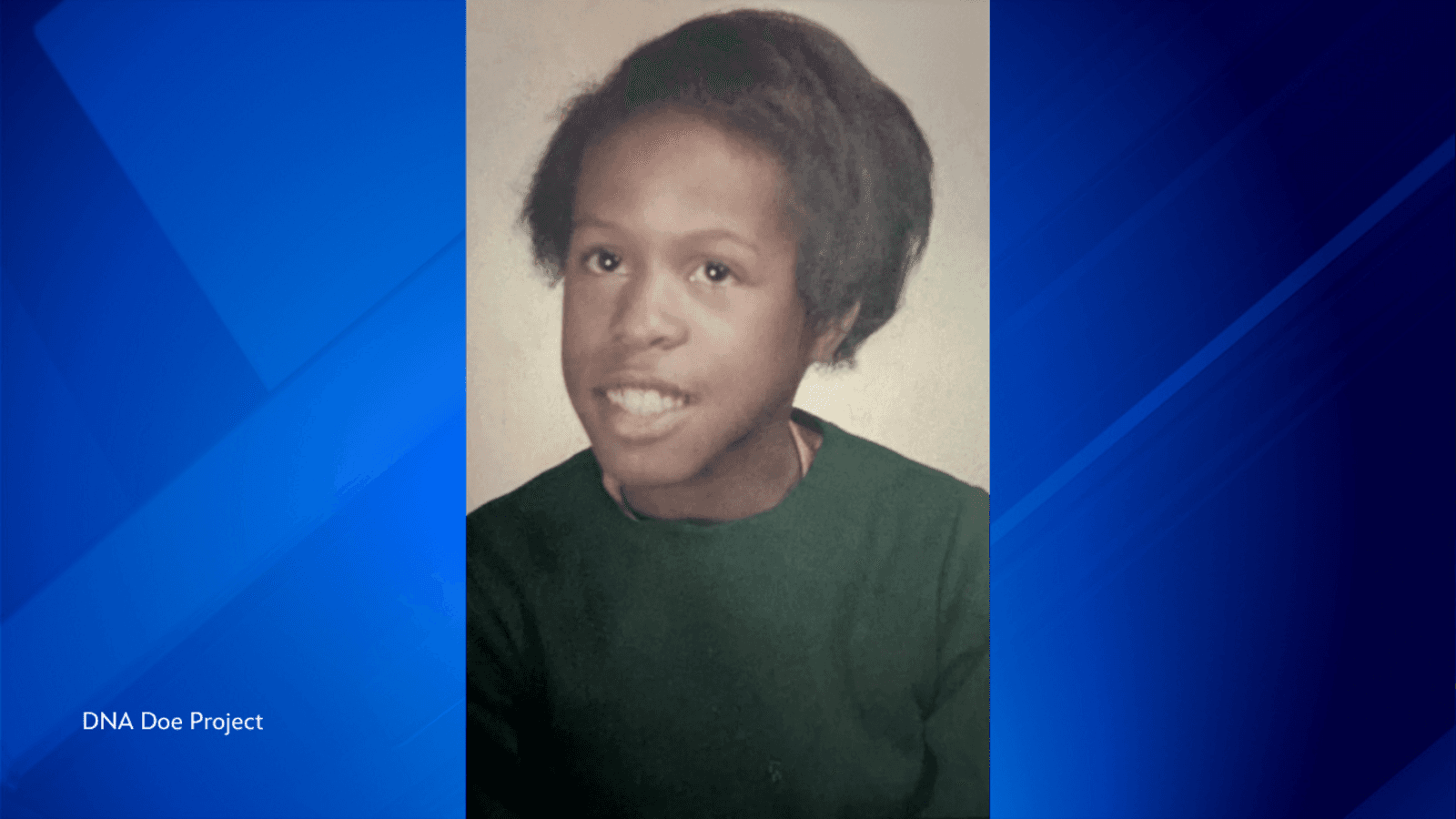
More than half a century after a young girl's body was pulled from the Mississippi River, she finally has her name back. A nonprofit organization specializing in investigative genetic genealogy has identified the remains as those of 15-year-old Cheryl Lynn Edwards — a teenager originally from San Diego, California, who had been living in Waukegan, Illinois before she disappeared and was killed in early 1975.
A Body Without a Name
On April 11, 1975, fishermen in Clinton County, Iowa made a grim discovery along the banks of the Mississippi River. The body of a young girl — shot once in the head — was recovered from the water. Authorities ruled her death a homicide, and an autopsy revealed she was approximately 10 weeks pregnant at the time of her death. For more than 50 years, she remained a mystery, known to investigators only as Jane Clinton Doe.
Despite decades of uncertainty, the Iowa Department of Public Safety never closed the case. Investigators eventually brought it to the DNA Doe Project, a nonprofit organization whose trained genealogists use advanced DNA analysis and family tree research to identify unknown decedents.
How Genetics Gave Her Back Her Identity
Using investigative genetic genealogy — a process that involves comparing DNA from unidentified remains against genealogical databases and tracing family lineages — the DNA Doe Project's team was able to track down Cheryl Lynn Edwards' relatives. Through that painstaking process, the Jane Doe case was finally resolved, and Edwards was positively identified.
The identification closes a deeply personal missing persons case that had gone cold for over five decades, and gives a name to a young woman who had been nameless in death for longer than many people have been alive.
Significance of the Case
Cheryl Lynn Edwards' identification is a testament to how far forensic science has advanced. Cases once considered unsolvable are increasingly being resolved through genetic genealogy, a technique that has surged in use over the past decade. The method has helped law enforcement agencies across the country put names to unidentified victims and, in some instances, identify perpetrators.
For Waukegan — the Lake County community where Edwards had been living before her disappearance — the resolution brings a measure of closure, though the circumstances of her death and the identity of her killer remain open questions for investigators.
What Comes Next
With Edwards now formally identified, authorities may be in a position to revisit the homicide investigation with fresh eyes and new forensic tools. The case remains unsolved, and no suspect has been publicly named. Investigators will likely examine whether any leads from the original 1975 inquiry, combined with modern DNA and genealogical techniques, can move the case closer to justice for Cheryl Lynn Edwards and her family.